There’s an old saying that it takes a village to raise a child. For generations, children have grown up surrounded by family, neighbours and other adults who helped guide, support and look out for them.
But modern family life looks very different. Many parents are juggling work, family responsibilities and the pressures of everyday life, often without the wider support network that previous generations could rely on.
We believe children still need that village. In fact, with the pressures on families today, having a village, or tribe, to help raise your children might be more important than ever.
If you want to know what growing up in a village is really like, ask Moses next time you see him. He grew up in a village in Ghana. Richard and Andrew, who help Moses with his marketing (Andrew is writing this PLog), grew up in a village in North Wales.
Two very different cultures, but much the same principle: children grow up surrounded by people who know them, care about them and help them learn what it means to be part of a community.
The big question for parents today is how do you find the right people to be part of that village?
Who’s in your child’s village?
Parents and whānau are at the heart of every child’s upbringing. Schools and teachers also play an important role. But some of the most valuable things children learn aren’t maths, reading or writing.
They’re things like respecting others, working together, understanding boundaries, taking responsibility and learning how to deal with life’s ups and downs.
Traditionally, these lessons came from all sorts of people in a child’s life. Grandparents, aunties, uncles, neighbours and other adults in the community all played their part.

In New Zealand today, many tamariki still have extended whānau providing that support. But times are tough. People are busy working, juggling commitments and trying to make ends meet. Even when the wider family is there, finding time to spend together isn’t always easy.
For many families, before- and after-school childcare has become an essential part of everyday life.
And that creates an opportunity for childcare to be much more than simply somewhere children go while their parents are working.
More than just childcare
Good childcare provides a safe, welcoming place for children, where their needs are met and they can enjoy themselves.
At Pride Lands, we believe it can do much more.
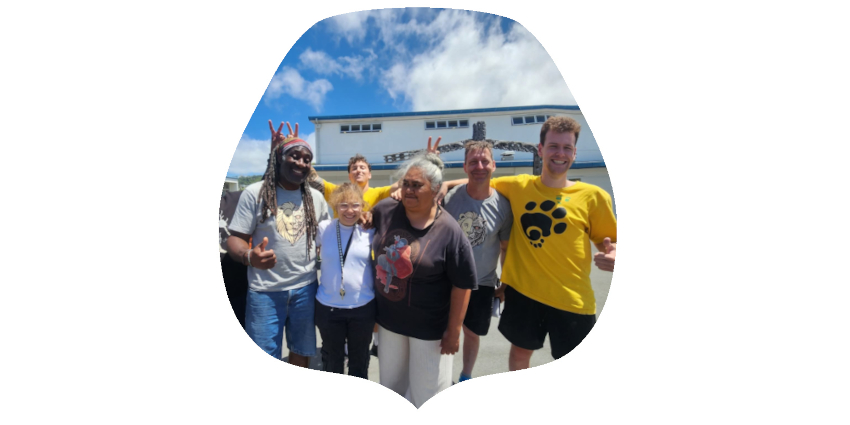
We want to be part of your child’s village. Another group of trusted adults who genuinely care about your children, support their development and help them grow into confident, capable and caring young adults.
It’s not just about what children do during their time with us. It’s about what they learn along the way.

The everyday moments matter. Learning to work with others, showing respect, understanding boundaries, taking responsibility and developing the confidence to try something new.
Sometimes it’s about encouragement. Sometimes it’s about helping a child work through a difficult situation. And sometimes it’s about setting clear boundaries and explaining why those boundaries matter.
We believe children need adults who care enough to do all these things, not just keep them entertained.
That’s what being part of a village means to us.
We’re not trying to replace parents, whānau or teachers. We’re adding to the team of people who help children navigate the world, develop good values and find their own place in their community.
And we take that responsibility seriously.
What do the experts think?
We’ve been talking about the importance of community, boundaries and positive adult role models for as long as Pride Lands has been around. Many of the parents who have made us part of their children’s lives understand exactly what we’re talking about.
Then we came across a Mighty Pursuit podcast called Why Modern Parenting Is Backfiring, featuring two American child and family therapists.
It was fascinating to hear experienced professionals discussing ideas that are so closely connected to what we believe at Pride Lands.
One of the big themes is that raising children isn’t something parents should have to do entirely on their own.

Children benefit from having other trusted adults in their lives, people who bring different experiences, perspectives and relationships, while reinforcing the values and boundaries that help children develop.
The discussion also explores the importance of helping children develop resilience, understand expectations and become confident, responsible members of their communities.
These aren’t things children learn from being told what to do once or twice. They’re developed through everyday experiences, relationships and the example set by the adults around them.
And that’s where having a village can make such a difference.
We’d really encourage parents to watch the discussion.
It’s an hour and a half long, which we know is a fair chunk of time for busy parents. But we think you’ll find it genuinely interesting and useful.
You don’t need to agree with everything the experts say. The important thing is that it gets us thinking about what our children need from the adults in their lives, and how we can work together to provide it.
Could Pride Lands be part of your village?
At Pride Lands, we believe raising happy, healthy and confident children is a team effort.
Parents and whānau will always be the most important people in a child’s life. But having more good people on that team can make a real difference.
That’s the role we want Pride Lands to play.

If you’ve watched the podcast and would like to talk about how some of these ideas apply to your children’s needs, we’d love to have a chat.
Even better, if you want to see what being part of a child’s village looks like in practice, come and visit a Pride Lands session at any of our three locations around Wellington.
You’re more than welcome. But be prepared to join in!
Moses and the team at Pride Lands